
文章

The high-temperature resistance limit of silicone rubber: How much do you know?

From performance to application, revealing the core secrets of high-temperature resistant materials

Silicone rubber, as a commonly used composite material in industrial and household fields, its excellent high-temperature resistance has always been a core advantage, but what is its high-temperature resistance limit? This question is directly related to material selection and application safety. This article will analyze it from three aspects: the nature of performance, application fields, and limit parameters.

This polymer with a siloxane bond (Si-O) as the core structure has a temperature resistance range from -60℃ to 230℃. Special formula silicone rubber can break through the high-temperature resistance limit of 300℃, and can maintain elasticity and wear resistance even under extreme temperatures. Its heat-resistant mechanism comes from the stable siloxane chain structure, which can resist high-temperature oxidation. Low thermal conductivity can reduce heat transfer, and a small expansion coefficient can ensure dimensional stability, making it stand out in many fields.

In the automotive industry, it is used for engine gaskets and cable protective sleeves, which are resistant to high temperatures; seals and insulating materials in the aerospace field need to withstand extreme temperature changes; rice cookers, oven gaskets in household appliances, as well as high-temperature disinfection components of medical devices and protective materials for electronic components, all depend on its heat resistance and safety.

Divided by heat resistance grade, the high-temperature resistance limit of standard silicone rubber is 230℃. High-performance models can reach a heat resistance of more than 300℃ through silicon-fluorine mixing or silicone modification technology. Fire-resistant types can withstand high temperatures in flames for a short time, meeting extreme protection requirements. The flexibility of silicone rubber formulations allows its high-temperature resistance limit to be adjusted as needed, making it an indispensable material solution in many industries.

Understanding the high-temperature resistance limit of silicone rubber is the key to accurate selection. With product upgrades, this material combines heat resistance, low-temperature resistance, chemical stability, and biocompatibility, and its application boundaries will continue to expand, providing reliable support for more high-temperature scenarios.
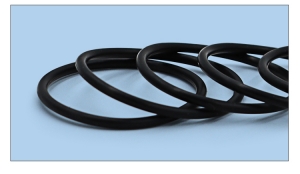
Why do silicone rubber products always crack?
Silicone rubber products keep cracking? Let’s thoroughly explain the reasons and solutions at once.

With the advantages of resistance to high and low temperatures and strong weather resistance, silicone rubber is widely used in automotive, electronics, medical and other fields. However, many users find that silicone rubber products crack after being used for a while, which not only affects their service life but may also lead to equipment failures. In fact, once the reasons are clarified, it can be easily solved.

There are mainly 6 reasons for the cracking of silicone rubber products: First, aging. After long-term exposure to ultraviolet rays, ozone, and temperature changes, the material will harden, its elasticity will decrease, and then it will crack. Second, erosion by chemical substances or moisture. For example, contact with strong acids and alkalis, or long-term contact with liquids, will corrode silicone rubber. Third, excessive stretching or compression during use, exceeding its designed bearing range. Fourth, poor production processes. Unqualified raw materials, incorrect formulas, and insufficient vulcanization will greatly reduce the durability of the products. Fifth, environmental impact. Too humid or too dry environments will make silicone rubber brittle. Sixth, improper use. If it is not used in accordance with the operating specifications, its performance will naturally decline.

There are 5 ways to prevent silicone rubber products from cracking: First, choose appropriate materials. Select corresponding silicone rubber according to the usage scenario, such as high-performance silicone rubber for high-temperature scenarios and medical-grade silicone rubber for the medical field. Second, control working conditions. Try to avoid high temperatures, strong chemical substances, and strong ultraviolet rays. Third, do a good job in daily maintenance. Regularly check for cracks and replace aging parts in a timely manner. Fourth, optimize the production process. Qualified raw materials should be selected, and the vulcanization process must be strictly controlled. Fifth, pay attention to storage conditions. Store them in a cool and dry place, avoid direct sunlight, and keep them away from excessive humidity.

If you encounter the problem of cracking silicone rubber products, whether in the automotive, electronics, or medical fields, click on the online customer service or call directly, tell us your usage scenario, and we will analyze the reasons for free and customize solutions, making your silicone rubber products durable and worry-free!